|
House music was born in the margins. It emerged from the underground clubs of Chicago and New York in the late 1970s and early 1980s, a sound created by queer Black and Latino communities seeking joy, safety, and liberation in a world that often denied them space. The dance floor was more than a party; it was a sanctuary. It was activism set to a four-on-the-floor beat.
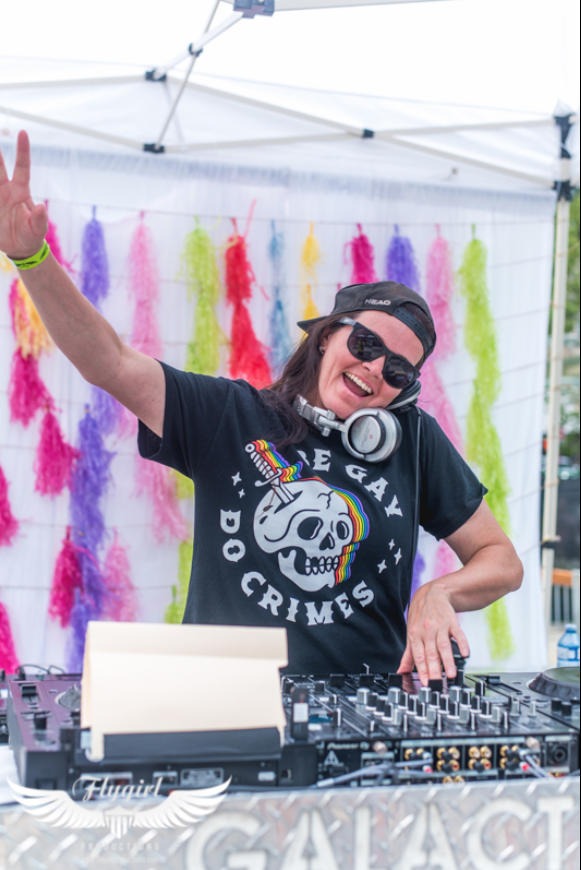
Yet as house music grew into a global phenomenon, its origins began to fade from the spotlight. Festivals today often lean heavily on mainstream headliners and younger acts, leaving behind the very people who built this culture. To truly honour house music and its history, older queer artists and people of colour must be present and visible on festival stages. Here’s why that representation matters now more than ever. 1. Honouring the Founders and Guardians of the Scene The pioneers of house music—artists like Frankie Knuckles, Larry Levan, and Ron Hardy—were queer men of colour who created a genre rooted in freedom and self-expression. Their influence shaped not just the music, but the ethos of inclusivity that defines house culture. Older queer DJs and producers today are the direct lineage of that movement. They hold decades of experience, stories, and wisdom that can’t be replicated by simply listening to a playlist. Their presence on stage connects audiences to house music’s authentic roots and keeps its history alive. Without them, we risk turning the genre into just another commercial product, stripped of its radical spirit. 2. Representation Fuels Inspiration For younger queer people and artists of colour, representation is powerful. Seeing someone like you behind the decks at a major festival validates your place in the scene and expands the possibilities for your own journey. When festivals showcase older, diverse artists, they send a message: “You belong here. Your identity and your story are not barriers, they are the very foundation of this culture.” This visibility has a ripple effect. It encourages marginalized communities to engage with the scene, whether as performers, promoters, or passionate dancers on the floor. It keeps the cycle of creativity and inclusion alive. 3. A Richer Musical Experience House music thrives on diversity, not just in people but in sound. Older DJs and producers bring deep crates, unique perspectives, and technical mastery that create dynamic sets you simply won’t hear elsewhere. These artists often draw on decades of genres and subcultures, from classic disco to early acid house to global rhythms, bridging past and present in ways that younger performers can build upon. Their inclusion enriches festivals musically and creates a fuller experience for the audience. 4. Counteracting the Erasure of Marginalized Communities The commercialization of house music has sometimes led to the erasure of the very communities that created it. Stages are too often dominated by cisgender, heterosexual, and predominantly white performers, while queer people of colour are relegated to smaller stages or sidelined entirely. Featuring older queer artists and people of colour front and centre is not just about nostalgia, it’s an act of cultural preservation and justice. It’s a way of saying, “We see you, we value you, and this space will always belong to you.” 5. Building Inter-generational Bridges Festivals are not just about the moment, they’re about community. By booking older queer artists alongside rising stars, festivals create inter-generational exchange. Younger performers get mentorship and inspiration, while older artists stay connected to evolving trends and audiences. This bridge strengthens the scene as a whole, fostering collaboration and ensuring that house music remains both progressive and rooted. How Festivals Can Lead the Way Change doesn’t happen by accident. Festival organizers have the power to intentionally create more inclusive lineups. Here are a few steps they can take:
Conclusion: Dancing Into the Future Together House music is more than just a beat, it’s a living legacy of resistance, joy, and togetherness. When older queer artists and people of colour are given the spotlight they deserve, festivals don’t just put on a great show, they honour the past, inspire the present, and protect the future of this culture. The dance floor is at its most powerful when everyone who built it is celebrated. Let’s make sure the people who gave us house music are never left standing in the shadows.
0 Comments
As we celebrate Black History Month, it’s important to honour the cultural contributions that have shaped the music we love today—especially house music, a genre born from the vibrant, diverse sounds of Chicago's Black and LGBTQ+ communities.
House music emerged in the early 1980s, at a time when disco was fading and new waves of electronic sound were taking over the dance floors. It was in the basement of the Warehouse club, under the stewardship of DJ Frankie Knuckles, that house music found its voice. Rooted in the rhythms of disco, soul, gospel, and funk, house music was a canvas for experimentation—layering deep basslines, soulful vocals, and infectious grooves that kept the people moving all night. The Black and LGBTQ+ communities were instrumental in shaping the house music culture. It was a safe space for expression, a home where people could come together, transcend social boundaries, and dance freely. Through the hard work and creativity of Black pioneers like Knuckles, Larry Levan, and Ron Hardy, house music grew into a global phenomenon, influencing not only music but also fashion, art, and nightlife culture. House music is more than just a genre; it’s a celebration of resilience, creativity, and the power of community. This Black History Month, we recognize the legacy of those who built the foundation of house music, and we continue to dance to the beats they crafted—beats that echo the heart of Black culture and the spirit of inclusivity that house music represents today. Let’s keep the groove alive and honour the roots of this beautiful genre. The Importance of House Music Over the Holidays with Your Chosen Family The holiday season is a time for connection, celebration, and creating memories with the people who mean the most to us. For many in the dance music community, the concept of "chosen family" resonates deeply. Whether it’s your crew from the club, your rave family, or the friends who’ve become family over shared dance floor moments, these connections are the heartbeat of the holiday season. And what better way to bring everyone together than with house music? A Universal Language of Togetherness House music has always been about inclusion and unity. From its origins in Chicago’s underground scene to its global influence today, it represents a safe space for self-expression and connection. During the holidays, when feelings of love, joy, and togetherness are in the air, house music becomes the perfect soundtrack to celebrate with your chosen family. The infectious beats, soulful vocals, and uplifting melodies of house music have a magical way of breaking down barriers and making everyone feel welcome. Whether you’re gathered in someone’s living room, hosting a holiday house party, or hitting up a winter festival, the rhythm of house music brings people together in a way that’s truly special. Creating New Traditions For many, the holidays can be a challenging time. Traditional family gatherings may not always feel welcoming or fulfilling. That’s where chosen family comes in—a group of people who accept you for who you are, support your passions, and celebrate your individuality. Imagine this: the scent of mulled wine and candles fills the air, lights twinkle in the background, and a perfectly curated house music playlist sets the vibe. Together, you dance, laugh, and reminisce about the past year while looking ahead to what’s next. These moments become cherished traditions, rooted in love and the shared joy of music. House Music: A Bridge Across Generations One of the beautiful things about house music is its timeless appeal. Tracks from the early days of Frankie Knuckles or Larry Heard blend seamlessly with the latest releases from today’s producers. Over the holidays, this versatility allows people of all ages and musical tastes to connect. Maybe your playlist includes a nostalgic deep house track for the older heads in your group, followed by a tech house banger that gets everyone jumping. By bridging generations and tastes, house music ensures that no one feels left out of the celebration. The Gift of Music This holiday season, why not share the gift of house music with your chosen family? Create a collaborative playlist, host a mix session where everyone gets a turn on the decks, or attend a house music event together. It’s not just about the music—it’s about the connections it fosters and the memories you create. The holidays aren’t defined by the gifts you give or the traditions you follow—they’re defined by the people you share them with. And when house music is the common thread, every moment feels a little more magical. So, turn up the volume, grab your chosen family, and let the beats carry you into a season of love, unity, and unforgettable vibes. Happy Holidays from the dance floor to your hearts! 🎶✨ House music, with its infectious beats and pulsating rhythms, is more than just a genre—it's a movement. Emerging from the underground clubs of Chicago in the early 1980s, house music found a natural ally in the gay scene. This relationship was not only pivotal for the evolution of the genre but also for the empowerment and expression of the LGBTQ+ community.
The Origins House music originated from the ashes of disco, a genre that faced backlash and decline by the late 1970s. Disco's decline left a void in the dance music landscape, which was soon filled by the innovative sounds of house music. Frankie Knuckles, often hailed as the "Godfather of House Music," played a significant role in this transformation. His residency at Chicago's Warehouse club gave birth to the genre's name and its initial popularity. A Safe Haven for Expression The gay scene, particularly in cities like Chicago, New York, and later, London, embraced house music as a form of cultural and emotional expression. These underground clubs and parties became safe havens for many LGBTQ+ individuals. In a time when mainstream society often ostracized them, the pulsing beats and welcoming dance floors provided a sanctuary where they could be themselves, free from judgment and discrimination. Cultural Synergy The synergy between house music and the gay scene was not just about a shared space but also about shared experiences and struggles. The music's themes often revolved around love, acceptance, and liberation—values that resonated deeply within the LGBTQ+ community. This connection fostered a sense of belonging and unity, with the dance floor becoming a place of collective empowerment. Influential Figures Many prominent figures in house music were openly gay and used their platforms to advocate for LGBTQ+ rights and visibility. Artists like Sylvester, a trailblazer in both disco and house, and later, the likes of RuPaul, brought the music and its message to wider audiences. Their contributions helped break down barriers and paved the way for greater acceptance within the broader music industry and society at large. Today, the relationship between house music and the gay scene remains strong. Pride events around the world often feature house music as a staple, celebrating the genre's roots and its ongoing influence. The dance floors continue to be spaces of joy, resilience, and solidarity, reminding us of the power of music to bring people together and drive social change. In essence, the correlation between house music and the gay scene is a testament to the transformative power of art and community. It’s a story of mutual support, cultural evolution, and the enduring quest for acceptance and equality. As house music continues to evolve, its heart remains firmly intertwined with the spirit of the gay scene, echoing a legacy of love, freedom, and rhythm. In the colourful spectrum of music genres, House stands as a pulsating beacon of rhythm and culture. Born from the depths of Chicago in the 1980s, this genre quickly spread its infectious beats across the globe, finding a unique home in Canada. The history of House music in the Great White North is a vibrant tale of creativity, community, and the relentless pursuit of the perfect groove.
The Birth of a Movement House music found its way into Canada's sonic landscape during the late 1980s and early 1990s. Its arrival coincided with a burgeoning club culture and the emergence of electronic music as a dominant force in nightlife scenes across the country. Influenced by the sounds emanating from Chicago and New York, Canadian DJs and producers began experimenting with their own interpretations of House, infusing it with local flavor and forging a distinct identity. From Toronto to Montreal: The Epicentres of Canadian House Toronto and Montreal emerged as the primary hubs of the Canadian House music scene. In Toronto, legendary clubs like The Twilight Zone and Industry helped propel the genre into the mainstream, providing a platform for both local talent and international DJs. Meanwhile, Montreal's vibrant nightlife scene embraced House music with open arms, with venues like Stereo and Circus spearheading the city's electronic music revolution. Canadian Pioneers: Shaping the Sound of House At the heart of Canada's House music movement were pioneering DJs and producers who pushed the boundaries of the genre. Names like Nick Holder, Kenny Glasgow, and Tyrone Solomon became synonymous with Canadian House, crafting soulful melodies and infectious rhythms that captivated audiences both at home and abroad. Their contributions not only shaped the sound of Canadian House but also left an indelible mark on the global electronic music landscape. Embracing Diversity: The Evolution of Canadian House As House music continued to evolve, Canada's diverse cultural landscape played a pivotal role in shaping its trajectory. From the deep, hypnotic grooves of Toronto's underground scene to the pulsating beats of Montreal's after-hours clubs, Canadian House embraced a myriad of influences, including funk, jazz, and techno. This eclectic fusion of sounds gave rise to a rich tapestry of subgenres, from deep house to tech-house, each with its own distinct character and appeal. The Legacy Lives On Today, House music remains a vibrant and integral part of Canada's musical identity. While the landscape has evolved with the rise of digital streaming platforms and the globalization of electronic music culture, the spirit of House continues to thrive in clubs, festivals, and underground parties across the country. Canadian artists continue to push the boundaries of the genre, drawing inspiration from its rich history while charting new sonic territories for future generations to explore. Conclusion: A Sonic Journey The history of House music in Canada is a testament to the power of music to transcend boundaries and unite communities. From its humble beginnings in the clubs of Toronto and Montreal to its enduring legacy in today's electronic music landscape, Canadian House has left an indelible mark on the global stage. As we continue to dance to the infectious rhythms and soulful melodies of House, let us celebrate the creativity, passion, and diversity that define this timeless genre. |
AuthorDJ Riki Rocket | House Music DJ & Producer Archives
September 2025
Categories |
RSS Feed